
by Marc Ulrich
The story of the Magi visiting Jesus is one of the most misunderstood narratives in Scripture. While our Christmas traditions paint a picture of three kings arriving at a manger on Christmas night, the biblical account tells a very different story – one that challenges how we think about worship, sacrifice, and what it truly means to seek Jesus.
Who Were the Magi Really?
Bursting the Christmas Bubble
Let’s start by clearing up some misconceptions. The Magi weren’t at Jesus’ birth on Christmas Eve – they arrived when Jesus was a child, likely 1-2 years old. There weren’t necessarily three of them (that idea comes from a 19th-century song), and they weren’t kings. The text simply mentions three gifts, not three people.
Understanding the Magi’s Identity
The word “Magi” comes from the Greek “magoi,” referring to leading religious and political figures who specialized in astrology, dream interpretation, and advising rulers. Think of them as a combination of scientists, diplomats, and religious advisors. They were the kind of people kings relied on for wisdom about the present and future.
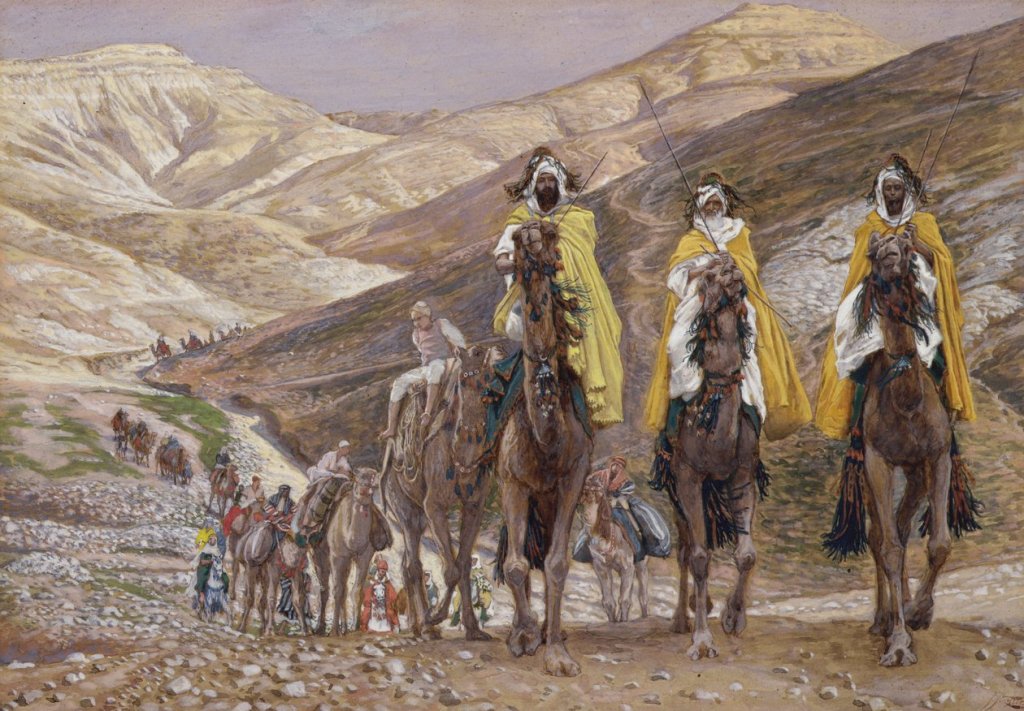
These weren’t just three travelers with camels – this was likely a caravan of 50-70 people, complete with armed guards to protect their valuable gifts. When they arrived in Jerusalem, asking about the “one born king of the Jews,” they caused quite a stir.
Why Did Their Arrival Upset Jerusalem?
Political Tensions
The Magi likely came from the Parthian Empire, Rome’s greatest rival to the east. Herod the Great had spent years fighting off Parthian influence and establishing his authority as “King of the Jews” – a title granted by Rome, not by birth. When a caravan from the east arrived asking about someone who was “born” king of the Jews, it threatened everything Herod had worked to establish.
Theological Implications
From a biblical perspective, movement “from the east” often represents moving away from God (think Adam and Eve leaving Eden, or Israel’s exile to Babylon). The Magi’s journey from east to west represented an act of repentance – people returning to God. This would have been particularly unsettling to religious leaders who believed outsiders had no place in God’s plan.
How Did They Know to Look for the Star?
Daniel’s Influence
The answer likely traces back to Daniel during the Babylonian exile. When Daniel interpreted King Nebuchadnezzar’s dream, he was placed “in charge of all the wise men” (Daniel 2:48). Daniel likely taught these Magi about the coming Messiah and the prophecy in Numbers 24:17 about a star rising out of Jacob.
Generational Faithfulness
For hundreds of years, these teachings were passed down through generations of Magi. They were paying attention, watching the skies, waiting for the promised sign. When they saw the star, they didn’t miss it because they had been intentionally looking.
What Made Their Gifts So Special?
The Cost of Gold
All gold in the ancient world came from specific mines in Nubia, south of Egypt. These weren’t just mines – they were considered temples to the gods. The gold had to be extracted by hand, making it incredibly precious and rare.
The Journey’s Sacrifice
The Magi traveled 1,500+ miles at the pace of walking camels – a journey taking 1-2 years. They planned extensively, gathered resources, arranged protection, and committed to this act of worship long before they ever saw Jesus. Their worship cost them something significant.
What Does True Worship Look Like Today?
Attention and Intentionality
The Magi’s example challenges us to examine our own worship. Are we paying attention to what God is doing around us? Are we giving our worship the intentionality it deserves, or are we just going through the motions?
True worship isn’t about showing up on Sunday and singing songs. It’s about a lifestyle of 167 hours outside the church building that demonstrates our devotion to Jesus.
Worship That Costs Something
The Magi’s worship required sacrifice – time, resources, energy, and risk. They had to protect their gifts and guard their mission. What does our worship cost us? If it doesn’t require any sacrifice or intentionality, is it really worship?
Worship That Challenges Authorities
Their worship disrupted the status quo and challenged earthly powers. Does our worship of Jesus challenge the authorities and values of our age, or are people comfortable with our faith because it never inconveniences anyone?
Bringing Peace Through Worship
Peacemaking Requires Action
Jesus said, “Blessed are the peacemakers” – not those who find peaceful situations to join. Peacemaking means stepping into conflict and working for wholeness. True worship brings the peace of Jesus to broken situations and marginalized people.
Practical Peacemaking
This might mean addressing our own addictions and destructive habits. It could involve being generous with our resources to meet needs around us. It might require standing up for immigrants and marginalized people, seeing them as beloved image-bearers of God rather than threats or burdens.
Life Application
The Magi’s journey challenges us to worship Jesus with the same attention, intentionality, and sacrifice they demonstrated. This Advent season, consider what your worship is actually costing you. Are you paying attention to what God is doing around you, or are you sleepwalking through your faith?
Your worship might involve breaking free from an addiction that’s controlling your life. It could mean establishing healthy routines and disciplines. Perhaps it’s being more generous with your time and resources to help those in need. Maybe it’s stepping into conflict situations to bring peace and reconciliation.
True worship requires us to guard and protect our spiritual gifts, just as the Magi protected their physical ones. It means living a life set apart from the world’s values and priorities.
Questions for Reflection:
Does your worship of Jesus challenge the authorities and values of this age, or are people comfortable with your faith because it costs you nothing?
What would it look like to worship Jesus with the same intentionality and sacrifice as the Magi who traveled for years to bring their gifts?
Where is God calling you to be a peacemaker this season – to step into conflict and work for wholeness rather than avoiding difficult situations?
If someone examined your calendar, spending habits, and photo gallery, what would they conclude you’re truly worshiping?
This is the page where users will find your site’s blog

 Marc Ulrich