
In a world filled with political turmoil, international conflicts, and constant news cycles, it’s easy to feel overwhelmed by the chaos around us. Psalm 2 offers a powerful perspective on how we should view world events and where we should place our trust when nations seem to be spiraling out of control.
What Does It Mean When Nations Rage?
Psalm 2 opens with a striking question: “Why do the nations rage? Why do the people plot in vain?” This ancient psalm describes a scene that feels remarkably contemporary – nations conspiring against God and His authority, seeking to break free from divine restraint.
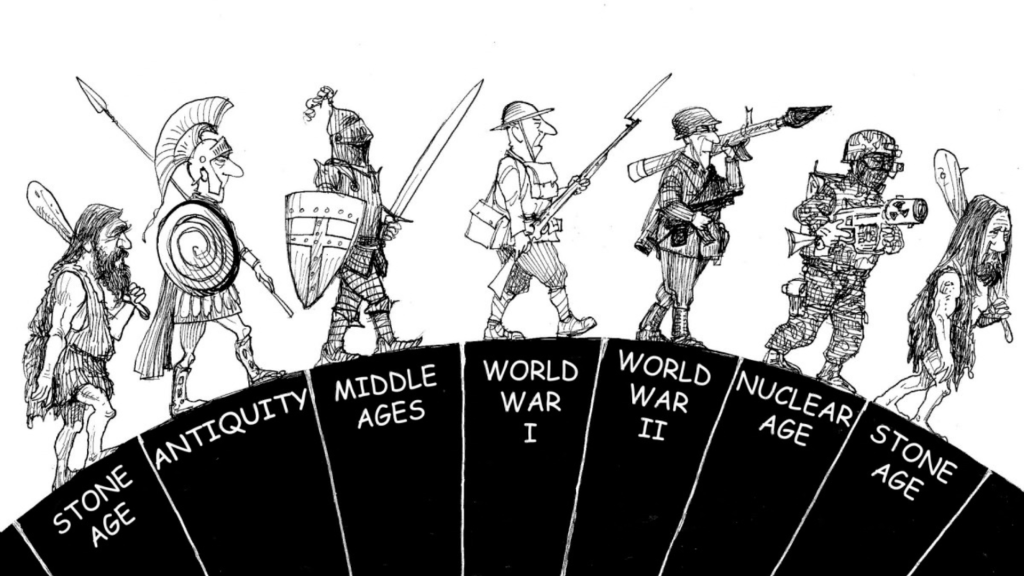
The “raging” described here represents what we might call the industrial war complex – the endless cycle of empires rising and falling, nations conquering others, and the constant pursuit of power through military might. Throughout history, we’ve seen this pattern repeat: Egyptian empires, Assyrian empires, Babylonian, Persian, Greek, and Roman empires, each believing their power was ultimate.
Who Are the Nations Plotting Against?
The psalm reveals that these nations aren’t just fighting each other – they’re conspiring against God Himself and His anointed one. They want to “break their chains and throw off their shackles,” rejecting any divine authority over their actions.
This rebellion isn’t new. From Pharaoh asking “Yahweh who?” when confronted by Moses, to Roman Caesars declaring themselves gods, to modern nations acting as if there are no ultimate consequences for their actions, humanity has consistently tried to overthrow divine authority.
How Does God Respond to Human Rebellion?
Perhaps the most striking aspect of Psalm 2 is God’s response to all this plotting and scheming: He laughs. Not a gentle chuckle, but the kind of laughter that comes from seeing the absurdity of the situation.
The image here is like a full-grown adult arm wrestling with a toddler. The toddler puts in maximum effort, straining with all their might, while the adult barely exerts any energy at all. That’s how God views the nations’ attempts to overthrow His authority.
Why God’s Laughter Matters
We might not like the idea of God laughing at human efforts, but this laughter reveals something crucial: God is not rattled, scared, or surprised by world events. He’s not pacing heaven, wondering what to do next. He remains sovereign and in complete control.
This doesn’t mean the events we see are not real or don’t have real consequences. People are genuinely suffering, conflicts have real impacts, and injustice causes real pain. But these realities, while significant, are not ultimate.
What Does It Mean That God Has Installed His King?
The psalm declares that God has already installed His king on Zion, His holy mountain. This isn’t something He will do – it’s something He has already accomplished. The king is described as God’s son, given authority over all nations.
For Christians, these points refer to Jesus Christ, who sits at the right hand of the Father. The early church understood this psalm as messianic, referring to Christ’s ultimate authority over all earthly powers.
How Should We Respond to World Chaos?
Choose Where to Focus Your Attention
The psalm presents us with a choice: we can focus our attention on the nations raging, or we can focus on the King who sits on the throne. We cannot serve two masters – either we give our allegiance to Jesus or to the nationalistic powers of this world.
This doesn’t mean we ignore injustice or become indifferent to suffering. Jesus calls us to love our neighbors, which includes caring about those affected by conflict and oppression. But our primary focus and ultimate trust must remain in Christ’s sovereignty.
Serve the Lord with Reverent Awe
The psalm calls us to “serve the Lord with fear and celebrate his rule with trembling.” This isn’t cowering terror, but reverent awe – recognizing the magnitude of who God is and the privilege of serving Him.
When we serve God with this perspective, even mundane tasks like opening doors for others or serving coffee become acts of worship offered to the King of kings.
What Does It Mean to Take Refuge in God?
The psalm ends with a promise: “Blessed are those who take refuge in him.” The word “blessed” here is the same Hebrew word that begins Psalm 1 – creating bookends that show us how to approach all of life.
Taking refuge in God means finding our security, peace, and identity in Him rather than in political alliances, military strength, or our ability to stay informed about every world event.
The Connection Between Psalm 1 and Psalm 2
These two psalms were intentionally placed together by Jewish scholars during the exile. Psalm 1 describes the blessed person who delights in God’s law, while Psalm 2 describes taking refuge in God’s anointed king. Together, they show us that true blessing comes not from following worldly wisdom, but from trusting in God’s word and His chosen king.
How Do We Live in the Tension?
As Christians, we live in the tension of the “already but not yet” – God’s kingdom has come through Christ, but we still await its full manifestation. This means:
- The chaos of world events is real, but not ultimate
- We care about injustice while trusting in God’s sovereignty
- We work for peace while knowing true peace comes only through Christ
- We stay informed without becoming consumed by anxiety
Life Application
This week, examine where you’re placing your attention and trust. Every time you feel the pull to check news notifications or scroll through social media for the latest crisis, pause and remember that God is on His throne, laughing at the chaos that thinks it can ultimately win.
Consider setting specific, limited times for consuming news rather than allowing it to dominate your thoughts throughout the day. Turn off news notifications that create constant anxiety. Instead, spend that time meditating on God’s word and remembering His sovereignty.
The nations will continue to rage – this isn’t new to our generation. But those who take refuge in Christ will find peace even in the midst of chaos, not because they’ve figured everything out or stayed perfectly informed, but because they trust in the King who has already won.
Questions for Reflection:
- Where have you been placing most of your mental energy and attention lately?
- How might your week look different if you truly believed God was sovereign over current world events?
- What would it look like for you to “take refuge” in God rather than in political solutions or staying constantly informed?
- How can you serve God with reverent awe in your daily activities this week?
 Marc Ulrich
Leave a comment